

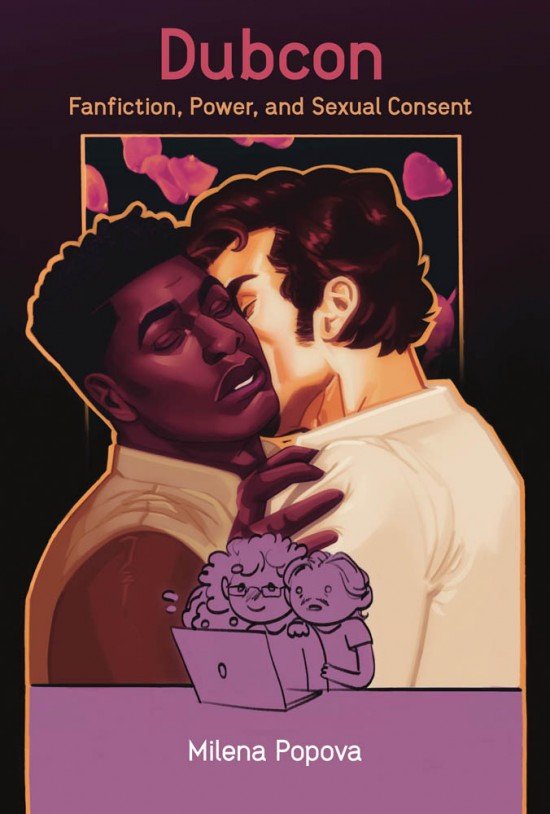
Dubcon in books refers to dubious consent, a controversial theme that often sparks intense discussions among readers. It portrays situations where consent may be ambiguous or coerced. Despite its contentious nature, dubcon is a prevalent element in various genres, from romance to dark fiction. Exploring the complexities of power dynamics and morality, these narratives challenge readers to confront uncomfortable scenarios. Let’s delve deeper into the nuanced world of dubcon in books, examining its impact on storytelling and reader perceptions.

What is Dubcon in Books
Welcome to our exploration of dubcon in books! Dubcon is a term that you may have come across while reading or talking about books, especially in the realm of fiction. In this article, we will delve into what dubcon means in the context of literature, its significance, examples, and how it can impact readers. So, let’s embark on this intriguing journey to uncover the world of dubcon in books!
Understanding Dubcon
Dubcon is short for “dubious consent,” a term used to describe a situation in a book where a character either does not explicitly give consent or is unable to give informed consent. In other words, dubcon typically involves scenarios where there is a blurred line between consent and lack of consent, leading to ambiguity or discomfort for the characters involved.
Authors may use dubcon as a plot device to create tension, explore complex relationships, or challenge societal norms. However, it is essential to approach dubcon with sensitivity and understanding, considering the implications it can have on readers, especially younger audiences.
The Significance of Dubcon in Books
Dubcon in books can serve as a tool to address important themes such as power dynamics, boundaries, and the complexity of human relationships. By portraying situations where consent is unclear, authors can prompt readers to reflect on the nuances of consent and the impact of coercion or manipulation in interpersonal interactions.
Moreover, dubcon can be a way to delve into characters’ internal struggles, desires, and moral dilemmas. It adds layers to the storytelling and can spark discussions about ethics, agency, and personal autonomy.
Examples of Dubcon in Literature
There are numerous examples of dubcon in literature across various genres, from classic novels to contemporary bestsellers. One notable example is in the novel “Lolita” by Vladimir Nabokov, where the relationship between the protagonist Humbert Humbert and the young Dolores Haze blurs the lines of consent and coercion.
In the fantasy genre, George R.R. Martin’s “A Song of Ice and Fire” series features complex power dynamics and ambiguous consent in romantic relationships, challenging readers’ perceptions of morality and agency.
It is essential to approach these examples with critical thinking and an awareness of the ethical implications of dubcon in storytelling. While these narratives can be thought-provoking, they also require careful consideration and discussion to navigate their sensitive themes.
Impact on Readers
When readers encounter dubcon in books, it can evoke a range of emotions and reactions. Some may feel discomfort, confusion, or unease when faced with ambiguous consent situations, while others may engage in critical analysis of the themes presented.
It is crucial for readers, especially young audiences, to approach dubcon with a discerning eye and a willingness to explore the complexities it presents. By discussing dubcon openly and thoughtfully, readers can develop a deeper understanding of consent, boundaries, and ethical storytelling.
In conclusion, dubcon in books is a nuanced and complex topic that can spark important conversations about consent, relationships, and morality. By exploring dubcon in literature with care and consideration, readers can gain valuable insights into the multifaceted nature of human interactions and the ethical implications of storytelling.
Remember, while dubcon may be a literary device used to provoke thought and evoke emotions, it is essential to approach it with sensitivity and awareness of its impact on readers. So, next time you come across dubcon in a book, take a moment to reflect on its implications and engage in meaningful discussions about the themes it raises.
Thank you for joining us on this journey into the world of dubcon in books. Happy reading!
Taboo Romance Recs | DubCon & CNC
Frequently Asked Questions
What does dubcon mean in books?
Dubcon, short for “dubious consent,” in books refers to situations where consent is unclear or questionable. It often involves scenarios where one character is coerced or manipulated into a sexual encounter.
Is dubcon a common theme in literature?
Dubcon is a controversial and often debated theme in literature, particularly in certain genres like romance and erotica. While some authors use it as a plot device to explore themes of power dynamics and morality, others criticize it for potentially romanticizing non-consensual behavior.
How do authors handle dubcon scenes responsibly?
Responsible handling of dubcon scenes in books involves clearly portraying the lack of consent, the consequences of such actions, and exploring the impact on the characters involved. Authors should always emphasize the importance of consent and avoid glorifying or trivializing dubious consent situations.
Can dubcon in books be triggering for readers?
Yes, dubcon scenes in books can be triggering for some readers, especially those who have experienced non-consensual situations in real life. It’s crucial for authors to provide proper content warnings and sensitively address the themes of dubious consent to avoid causing distress to their audience.
Final Thoughts
Dubcon in books refers to dubious consent situations where the consent of a character may not be clear. It is crucial for authors to handle this subject matter sensitively and responsibly. Readers should be aware of the potential triggers and impacts of dubcon scenes. In conclusion, understanding what dubcon in books entails is essential for both writers and readers in navigating this complex and controversial topic.


